

Consultations aim to shape the legal, policy and technical foundations for a MOSIP-based digital identity ecosystem built on verifiable credentials
Sierra Leone is consulting the private sector and other stakeholders as it develops the governance framework for a trusted digital identity ecosystem built on open-source technology and verifiable credentials.
The consultations follow a Memorandum of Understanding (MoU) signed last month with Bhutan and the Sign Foundation to support the country’s digital public infrastructure (DPI) strategy. The agreement envisions a sovereign DPI ecosystem in which citizens receive W3C-compliant verifiable credentials to prove their identity or attributes when accessing public and private services.
Representatives from government, business and development organizations met in the capital Freetown to share perspectives on how structured private sector collaboration can “support the development of a national digital identity ecosystem built on open-source technology, verifiable credentials, and international standards for privacy, security, and data sovereignty,” according to a government statement.
Sierra Leone’s national ID system is based on MOSIP and the country is positioning it as the bedrock of its ongoing digital transformation. The National Communications Authority, which is a key player in that digital transformation journey, recently celebrated its 20th anniversary with a pledge to build stronger partnerships.
Apart from the private sector and government institutions, participants in the dialogue forums included representatives of financial institutions, the academia, civil society organizations, and development partners.
Among other things, they shared views on the three core building blocks of Sierra Leone’s DPI vision which are trusted digital identity, secure and efficient digital payments, and interoperable data exchange, and how these can enhance the country’s public service delivery revolution.
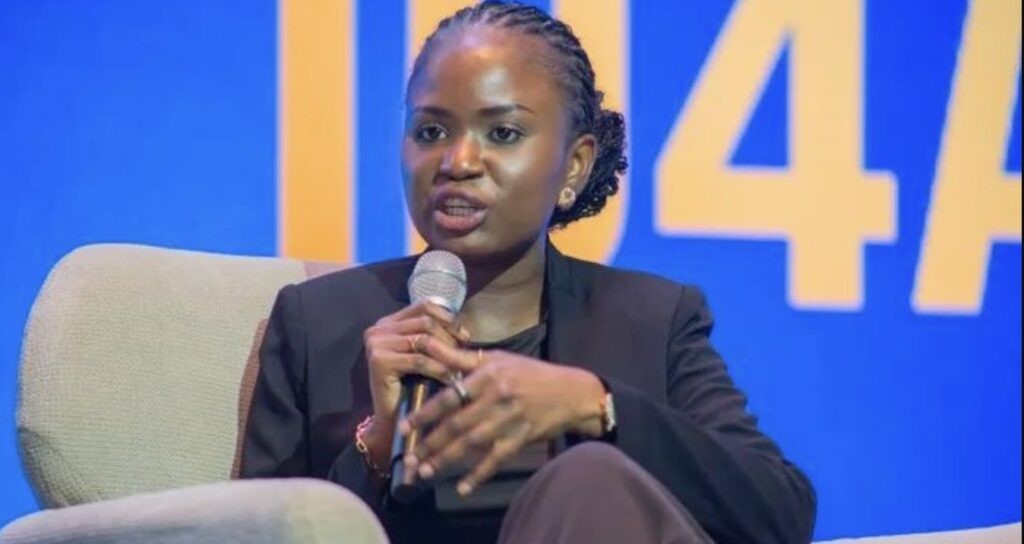
MoCTI said the dialogue is the first event in a series of planned and coordinated engagements with the intention to “develop the policies, governance frameworks, and technical foundations required for a trusted, secure, and inclusive digital identity ecosystem.” Minister Salima Bah shared Sierra Leone’s digital transformation experience at ID4Africa 2026 in May, insisting that interoperable digital ID ecosystems are the next frontier of the continent’s digital advancement.
Sierra Leone’s consultations underscore the importance of the multi-stakeholder approach to building a trusted digital ID architecture that can better deliver services to a country’s people. It also brings to the fore the growing adoption by countries of reusable identity models and open-source frameworks such as MOSIP which are critical to trusted DPI.